Measuring Resilience: Data-Driven Environmental Solutions

Updated: Dec 16, 2025
In an era where climate change and environmental degradation are pressing concerns, measuring resilience has become crucial for communities and ecosystems alike. Resilience refers to the ability of a system—be it ecological, social, or economic—to withstand disturbances and recover from them. As we face increasing environmental challenges, data-driven solutions are emerging as essential tools for enhancing resilience. This blog post explores how data can be leveraged to measure resilience and implement effective environmental solutions.

Understanding Resilience in Environmental Contexts
Resilience in environmental contexts can be defined as the capacity of ecosystems and communities to absorb disturbances while maintaining their essential functions and structures. This concept is vital for several reasons:
Ecosystem Health: Healthy ecosystems can better withstand shocks such as natural disasters, pollution, and climate change.
Community Stability: Resilient communities can recover more quickly from economic downturns or environmental crises.
Sustainable Development: By fostering resilience, we can promote sustainable practices that benefit both the environment and society.
The Importance of Data in Measuring Resilience
Data plays a pivotal role in understanding and enhancing resilience. It allows us to:
Identify Vulnerabilities: By analyzing data, we can pinpoint areas that are most susceptible to environmental stressors.
Monitor Changes: Continuous data collection helps track changes over time, providing insights into how systems respond to disturbances.
Inform Decision-Making: Data-driven insights enable policymakers and stakeholders to make informed decisions that bolster resilience.
Key Metrics for Measuring Resilience
To effectively measure resilience, several key metrics can be employed:
1. Biodiversity Indices
Biodiversity is a critical component of ecosystem resilience. Metrics such as species richness and evenness can help assess the health of an ecosystem. For example, a diverse ecosystem is often more resilient to diseases and invasive species.
2. Ecosystem Services Assessment
Ecosystem services—such as clean water, pollination, and carbon sequestration—are vital for human well-being. Measuring the availability and quality of these services can provide insights into ecosystem resilience.
3. Community Engagement Levels
The involvement of local communities in environmental management is a strong indicator of resilience. Metrics such as participation rates in conservation programs or community-led initiatives can highlight the social dimensions of resilience.
4. Economic Stability Indicators
Economic resilience is closely tied to environmental health. Metrics such as employment rates in sustainable industries or the economic impact of environmental disasters can provide a clearer picture of community resilience.
Data-Driven Solutions for Enhancing Resilience
With a solid understanding of resilience metrics, we can explore various data-driven solutions that enhance resilience in environmental contexts.
1. Remote Sensing and GIS
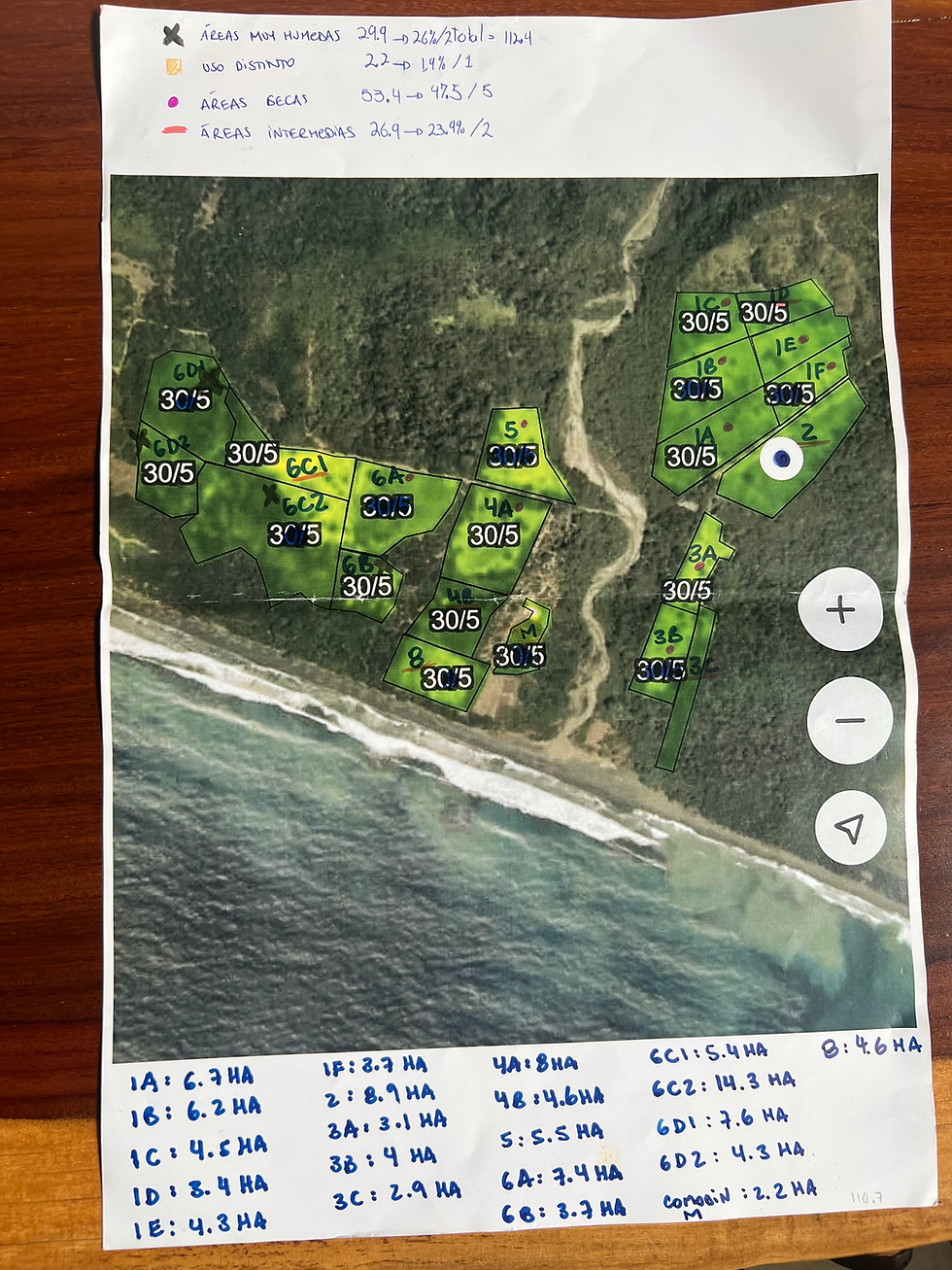
Remote sensing technologies and Geographic Information Systems (GIS) are powerful tools for monitoring environmental changes. They can provide real-time data on land use, vegetation cover, and climate patterns. For instance, satellite imagery can help track deforestation rates, enabling timely interventions to protect vulnerable ecosystems.
2. Predictive Modeling
Predictive modeling uses historical data to forecast future scenarios. This approach can be particularly useful in disaster management. For example, models can predict flood risks based on rainfall patterns, allowing communities to prepare and mitigate potential impacts.
3. Community-Based Data Collection
Engaging local communities in data collection can enhance resilience. Citizen science initiatives empower individuals to contribute to environmental monitoring. For example, community members can report sightings of invasive species, helping to track their spread and inform management strategies.
4. Data Sharing Platforms
Creating platforms for data sharing among stakeholders can facilitate collaboration and enhance resilience. For instance, open-access databases can provide valuable information on biodiversity, climate patterns, and community engagement efforts, enabling better decision-making.
Case Studies of Data-Driven Resilience
Case Study 1: The Great Barrier Reef
The Great Barrier Reef has faced significant threats from climate change and pollution. Researchers have utilized data from remote sensing and underwater surveys to monitor coral health and assess the impacts of environmental stressors. This data-driven approach has informed conservation strategies, such as targeted restoration efforts and improved water quality management.
Case Study 2: New Orleans Post-Katrina
After Hurricane Katrina, New Orleans implemented a data-driven approach to enhance its resilience. The city utilized predictive modeling to assess flood risks and developed a comprehensive emergency response plan. Community engagement was also prioritized, with residents involved in decision-making processes related to urban planning and disaster preparedness.
Challenges in Measuring Resilience
While data-driven solutions offer significant potential, several challenges must be addressed:
1. Data Availability and Quality
Access to reliable data can be a barrier to effective resilience measurement. In many regions, data may be scarce or of poor quality, hindering accurate assessments.
2. Integrating Diverse Data Sources
Combining data from various sources—such as government agencies, NGOs, and community organizations—can be complex. Establishing standardized protocols for data collection and sharing is essential for effective integration.
3. Balancing Short-Term and Long-Term Goals
Resilience-building efforts often require balancing immediate needs with long-term sustainability goals. Data-driven solutions must consider both perspectives to be effective.
The Future of Data-Driven Resilience
As technology continues to evolve, the potential for data-driven solutions to enhance resilience will only grow. Innovations such as artificial intelligence and machine learning can provide deeper insights into complex environmental systems. Additionally, the increasing availability of open data will empower communities and stakeholders to take action.
Conclusion
Measuring resilience through data-driven approaches is essential for addressing the environmental challenges we face today. By understanding key metrics, leveraging technology, and engaging communities, we can build stronger, more resilient ecosystems and societies. The journey toward resilience is ongoing, and every step taken today can lead to a more sustainable future.
As we move forward, consider how you can contribute to resilience-building efforts in your community. Whether through data collection, advocacy, or sustainable practices, every action counts in creating a more resilient world.

Comments